Guxarelon sidecar atlas

A SIDE-CAR ATLAS FOR PRODUCT ROUTES

Make the
route usable
all the way
through.

Guxarelon joins interface work, service logic, data handling and operating care into a route that people can understand, use and maintain. The question is not whether a product has shipped; it is whether its next handoff stays legible.

Read the terrain

LISTEN · SHAPE · CONNECT · KEEP

Engineers reading a service route map
START WITH THE REAL JOURNEY, NOT A PRESET STACK.

02 / TERRAIN CHECK

Where does the
route begin to
lose shape?

Choose the pressure closest to the work. This is a way to identify where a full-stack conversation needs attention, rather than a diagnosis or a promise of a fixed solution.

FIELD NOTE

The journey is clear to the team, but not to the person using it

Trace one real task from the first visible cue to the final confirmation. The important evidence is where a person has to infer a hidden rule, wait without context or translate a system decision into their own next step.

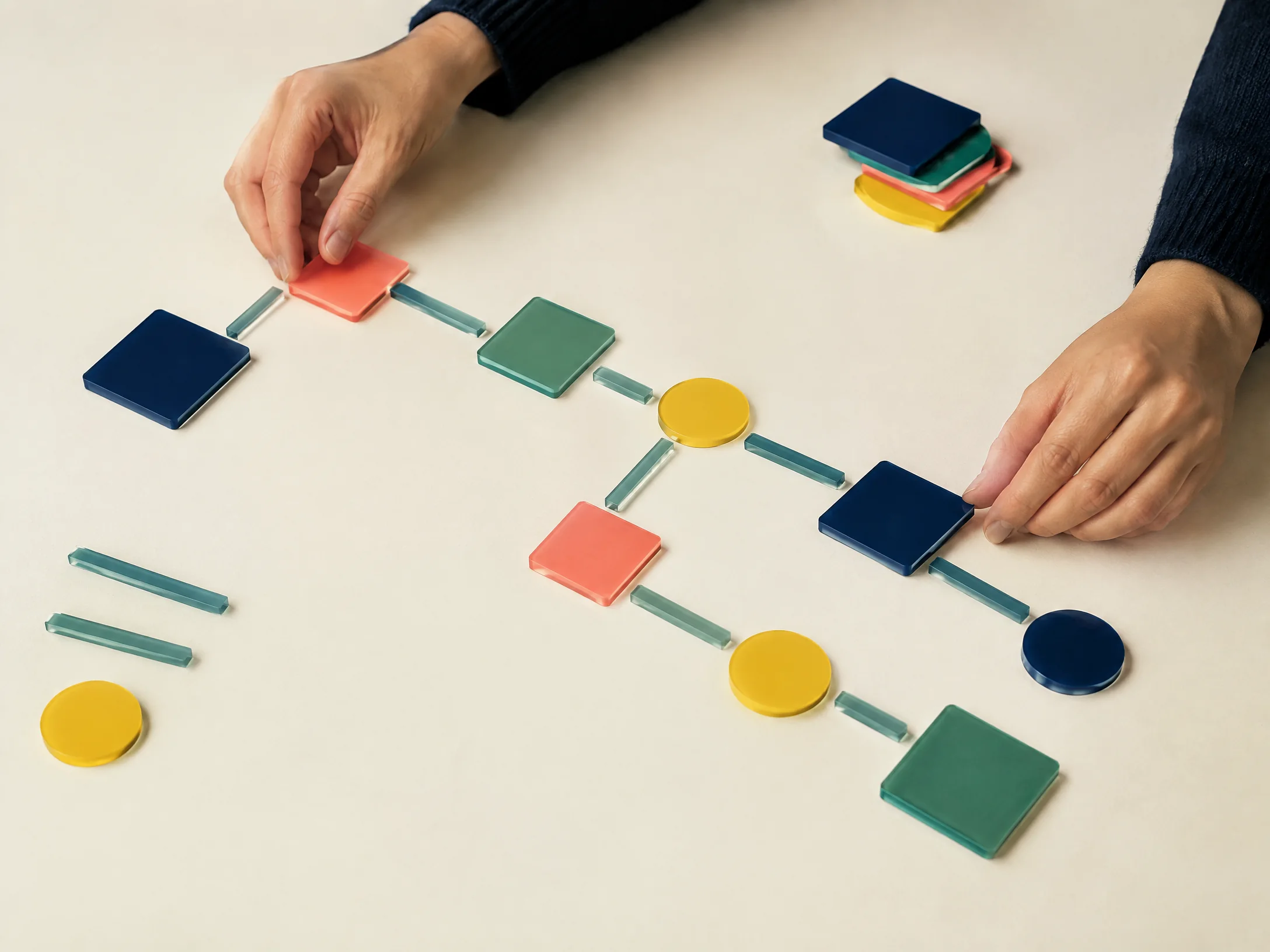
Route markers and connectors on a navy worktable

03 / ROUTE BOARD

Build a route
from the
joint outward.

A useful product route is not a layer cake with the interface placed on top. It is a set of connected decisions: what a person can see, what a service can know and what happens when conditions become incomplete.

04 / SERVICE TRACE

The service route
should leave a
clear footprint.

Hands arranging connected route tiles
CONNECT THE DECISION TO THE CONTEXT THAT MAKES IT USEFUL.

A / NOTICEWhat tells someone that a choice or state is available?

B / CARRYWhich detail travels from the person’s action into the service?

C / RETURNHow does the result come back with enough context to proceed?

D / RESUMEWhat remains understandable if the route is reopened later?

05 / DECISION CHECKPOINT

Every useful route
needs a place to
pause well.

Use this checkpoint to hold a decision long enough to see its context. It is not a scorecard. The selected note is simply a practical prompt for the next working conversation.

1 / Cue2 / Context3 / Continuity
CONTEXT / THE ROUTE EXPLAINS ITS STATE

Focus on the information surrounding a transition: what changed, what is known, what is being checked and what a person can do while the rest of the route catches up.

Team reviewing a product route around a table
Hands passing a route card at a handoff
THE HANDOFF SHOULD NOT REQUIRE A GUESS.

06 / HANDOFF PHOTO

A handoff is a
design moment,
not a gap.

When a product reaches a different person, service or moment in time, it needs a small but durable bridge. That can be a clear state, a scoped event, a useful note or a human escalation path—not just another integration.

See the ownership grid

07 / OPERATIONS PANTRY

Keep the everyday
materials within
reach.

Small operational materials keep a product from becoming a sealed object. Open each pantry label for the kind of information that makes a route easier to understand after the first launch.

A concise record of assumptions, unknowns and decisions helps a future reader recognise what was deliberate. It is more helpful than a generic status update because it stays close to the condition it names.
Quality check at an engineering worktable

08 / OWNERSHIP GRID

Let each route
have a visible
witness.

Select a perspective to read a product route through a different responsibility. No role is presented as a substitute for another; the grid makes the edges between them easier to discuss.

Product perspective / What is the person trying to move forward, and which condition must stay understandable?
Operations notebook and device on a table

09 / READING ROOM

Questions worth
keeping near
the route.

A full-stack engagement may include product-route discovery, interface implementation, service and data modelling, integrations, deployment preparation and operating notes. The specific shape depends on the route being considered. Guxarelon does not assume every project needs every layer at once; a scoped conversation identifies what needs to be made more legible and which work belongs elsewhere.

Yes. An existing product can be a useful starting point when its current route is understood with care. A first conversation may focus on a person-facing journey, an integration boundary, a service state or a maintenance concern. It does not begin with a blanket promise to rewrite, rescue or certify a codebase; the next step should be proportionate to the evidence available.

Public enquiries should not include credentials, customer records, production data, private repositories or other sensitive material. If a collaboration proceeds, access, security practices, information handling and responsibilities are discussed in a separate written arrangement suited to the work. This website offers general information only and does not make security certification or compliance claims.

A short description is enough: the person or team using the route, what currently feels difficult to continue, what has already been tried and which kind of conversation would be useful. You can mention a technology context in broad terms, but avoid confidential implementation details in the public form. A well-bounded question is more useful than a complete project history.
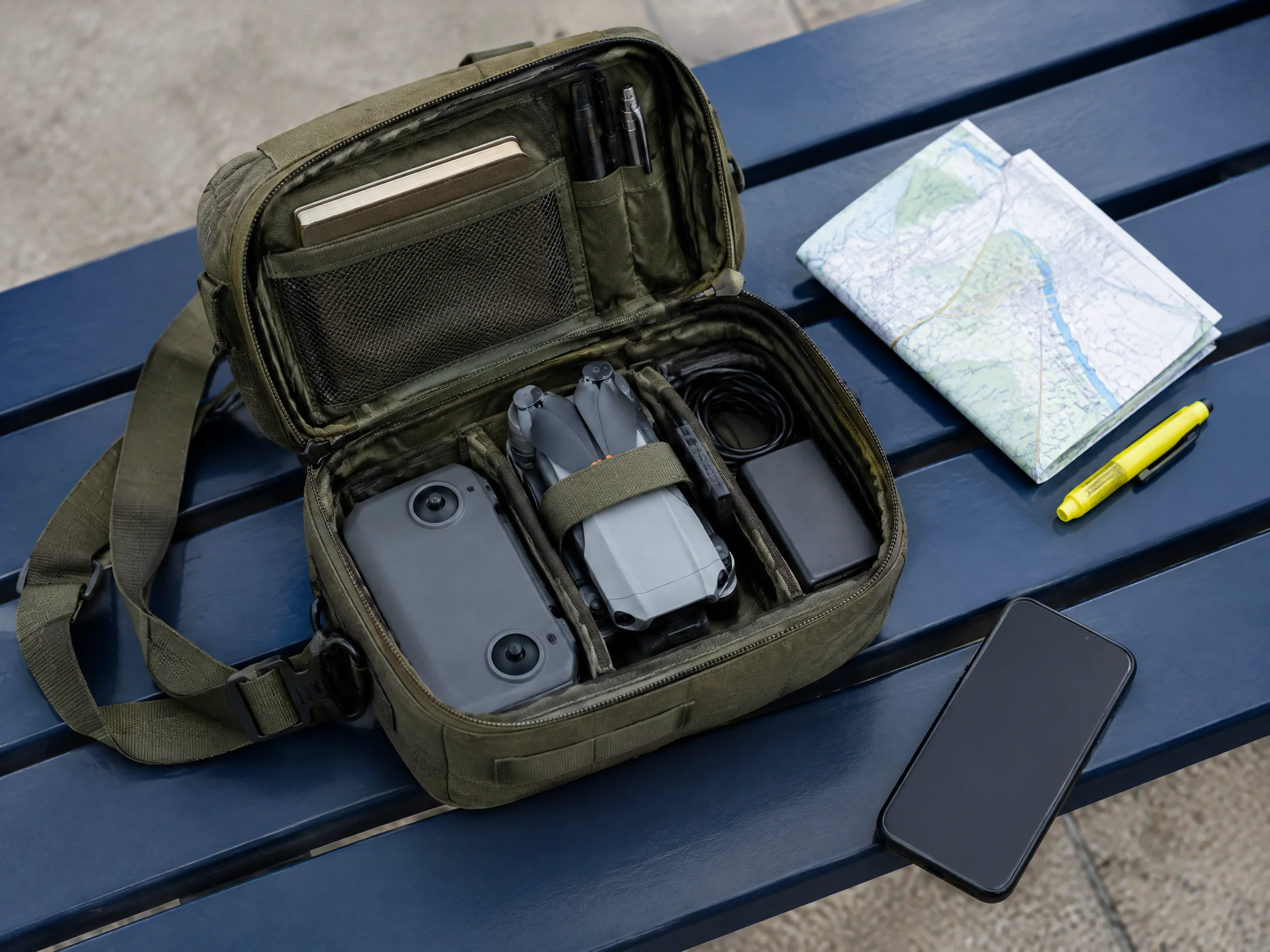
Field bag and product route materials

10 / FIELDNOTE ENQUIRY

Put the route
on the table.

Describe the product route or handoff you want to make more useful. This is an enquiry only; it does not reserve work, create an agreement or ask for confidential material.

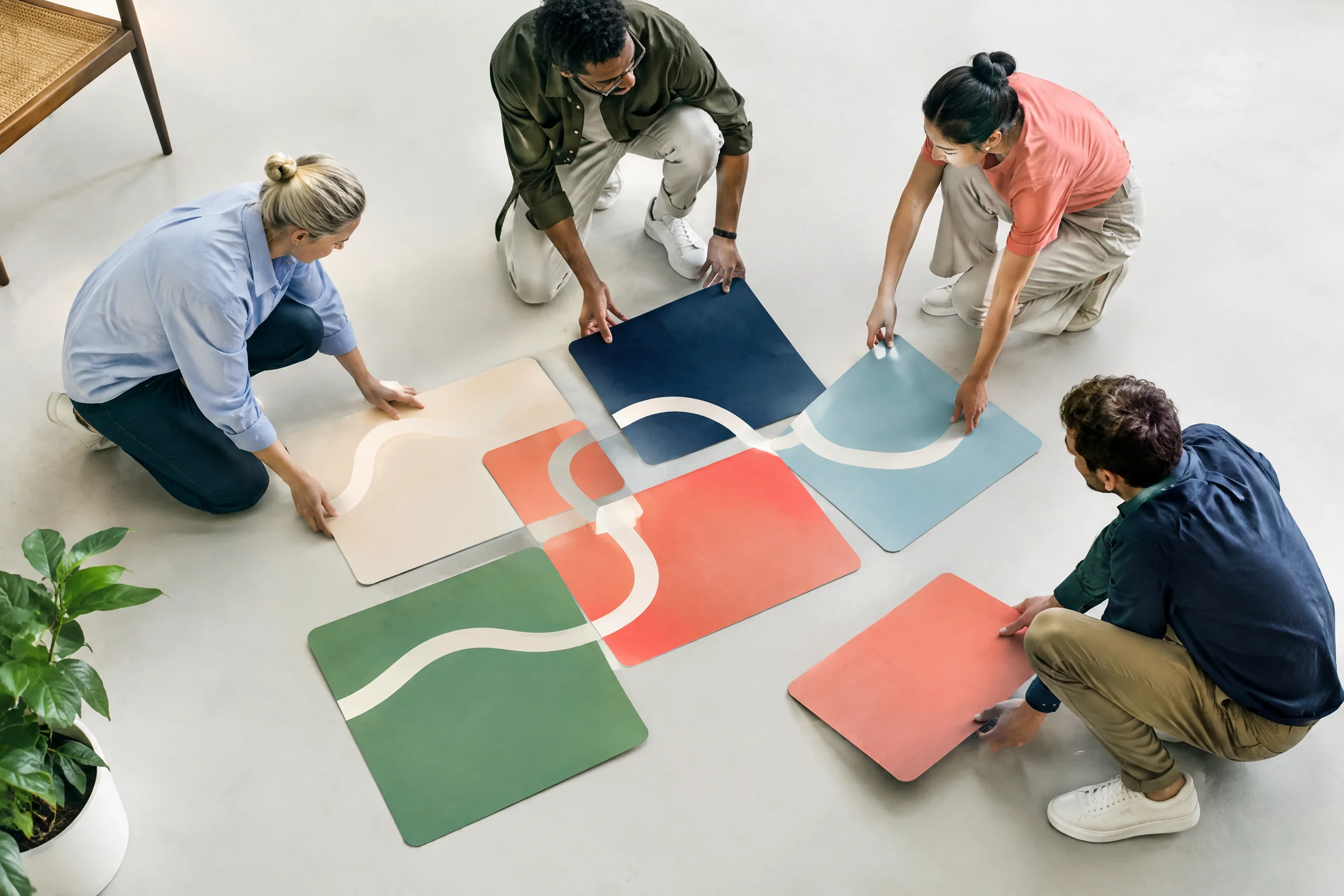
Team arranging route cards on the floor
BRING THE QUESTION, NOT A PERFECT BRIEF.
Evening abstract transit map wall
GXR / SIDECAR ATLAS

Keep the
route in
view.

Return to the atlas